Spinach Sautéed with Garlic & Olive Oil
Spinach Sautéed with Garlic & Olive Oil is a simple yet flavorful dish that celebrates the natural taste of fresh spinach. This recipe is not only quick to prepare but also packed with nutrients, making it a perfect addition to any meal. The combination of garlic and olive oil elevates the dish, bringing out the spinach's earthiness while adding a hint of richness. Ideal as a side dish or a main course, this sautéed spinach can also be used in various recipes, from pasta to omelets. Its versatility and ease of preparation make it a favorite among both home cooks and professional chefs alike.

Why This Spinach Sautéed with Garlic & Olive Oil Works
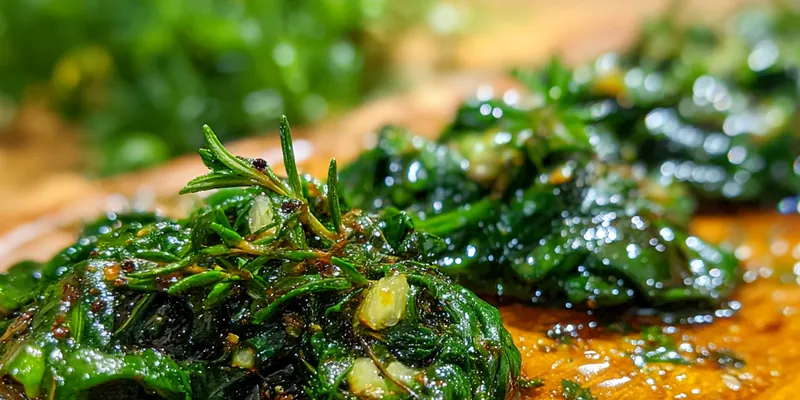
The technique of sautéing spinach with garlic and olive oil is not only simple but incredibly effective in enhancing the flavors of the vegetables. The garlic infuses the oil, creating a aromatic base that complements the natural earthiness of the spinach. By cooking the spinach quickly over high heat, you preserve its vibrant color and nutritional benefits. This method ensures that the spinach remains tender yet retains some texture, making each bite delightful.
One of the special aspects of this recipe is its versatility. You can adjust the seasonings to your taste, whether you prefer a spicy kick from red pepper flakes or a hint of tang from lemon juice. Adding Parmesan cheese or balsamic vinegar can elevate the dish further, making it suitable for various occasions. Whether served as a quick weeknight dinner or a sophisticated side for a special meal, this sautéed spinach dish is sure to impress.
💡 Professional Tip
To achieve the best results, always use fresh spinach and high-quality olive oil. Avoid overcrowding the skillet, as this can lead to steaming rather than sautéing. If you're cooking a large batch, consider using two pans or sautéing in batches. This will ensure that the spinach cooks evenly and retains that vibrant green color. Additionally, taste as you go, adjusting seasonings to suit your palate for a perfectly balanced dish.
Frequently Asked Questions
Yes, you can prepare spinach sautéed with garlic and olive oil ahead of time. However, it's best to store it in an airtight container in the refrigerator and consume it within 2-3 days for optimal freshness. When reheating, do so gently on low heat to prevent overcooking. Keep in mind that the spinach may lose some texture upon reheating, but the flavors should still be delicious.
If you don't have fresh spinach, you can use frozen spinach, though it may result in a different texture. Kale or Swiss chard can also be excellent alternatives, offering unique flavors and nutritional benefits. For the oil, consider using avocado oil for a different taste or even butter for a richer flavor. Adjust seasonings based on your preferences; for instance, use shallots instead of garlic for a milder onion flavor.
The spinach is done when it has wilted but still retains its vibrant green color and slight texture. This usually takes about 3-5 minutes of cooking once added to the skillet. Be cautious not to overcook, as this can lead to a mushy texture. If the garlic has turned golden and aromatic, and the spinach is wilted, you're ready to serve!
While it's technically possible to freeze sautéed spinach, it's not generally recommended as the texture may be compromised. Freezing can lead to a soggy consistency when thawed. If you do freeze it, ensure it's in an airtight container and use it within 1-2 months. For best results, consider freezing the fresh spinach first and then sautéing it when ready to use.
This dish pairs wonderfully with a variety of main courses, including grilled chicken, fish, or pasta. It can also be served alongside grain dishes such as quinoa or brown rice for a nutritious meal. For a vegetarian option, serve it with a hearty lentil stew or atop a bed of roasted vegetables. Additionally, it can be added to omelets or frittatas for a tasty breakfast option.
Sautéed spinach can be stored in the refrigerator for up to 3 days in an airtight container. If you're looking to keep it longer, consider freezing it, although it may alter the texture. Always check for signs of spoilage before consuming leftovers. For best flavor, try to enjoy it fresh, but if necessary, ensure proper storage to maintain quality.
You can easily adjust the spice level of this dish by modifying the amount of red pepper flakes. For a milder version, reduce the quantity or omit them entirely. If you prefer a spicier kick, consider adding a pinch of cayenne pepper or a dash of hot sauce. Taste as you go to find the perfect balance that suits your palate.
The best way to reheat sautéed spinach is in a skillet on low heat. This method ensures even warming without overcooking the spinach. Stir occasionally to prevent any browning and maintain its vibrant color. You can add a splash of olive oil or a bit of water to help steam and revive the dish as you reheat.
Recipe Troubleshooting Guide
Too Dry
Problem: If your sautéed spinach turns out too dry, it may be due to using insufficient oil or cooking it for too long.
Solution: To remedy this, you can add a bit more olive oil while reheating or during the cooking process next time. Additionally, make sure to watch the cooking time closely to keep the moisture intact.
Not Crispy
Problem: If your spinach isn't crispy, it may have been overcrowded in the pan or cooked at too low a temperature.
Solution: Ensure that your skillet is hot enough and avoid adding too much spinach at once. Cooking in batches can help achieve that desired crispness.
Overcooked
Problem: Overcooking can lead to limp, mushy spinach which is less appealing.
Prevention: To avoid this, keep a close eye on the spinach while cooking and aim to remove it from the heat as soon as it wilts. A quick sauté is all that's needed to bring out the flavors without sacrificing texture.
Undercooked
Problem: If the spinach is undercooked, it might be tough and not as enjoyable.
Recovery: Simply return it to the heat for another minute or two, stirring frequently until it reaches the desired doneness. Ensure your pan is heated appropriately for effective cooking.
Burnt
Problem: Burnt spinach can result from cooking at too high a temperature or not monitoring it closely.
Prevention: To prevent this, cook over medium heat and stir frequently, paying close attention to the garlic to avoid burning. If it does burn, start over, as the burnt flavor can affect the entire dish.
Flavor Balance
Too Sweet: If the dish is too sweet, it may be due to the use of sweet onions or caramelization.
Too Salty: If it's too salty, consider adding a squeeze of fresh lemon juice to balance the flavors.
Bland: If the dish tastes bland, try adding a bit more garlic, salt, or some red pepper flakes for extra flavor.
Key Ingredients
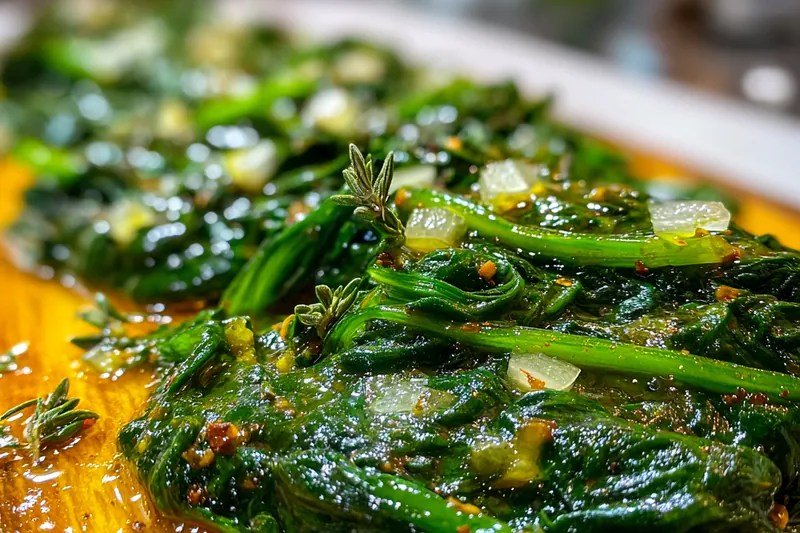
The main ingredient in this dish is fresh spinach, known for its vibrant color and impressive nutritional profile. Spinach is rich in vitamins A, C, and K, as well as iron and folate, making it a powerhouse of health benefits. When cooked, it wilts down significantly, allowing you to enjoy a good serving size. Always opt for fresh spinach for the best flavor and texture, as frozen varieties may not provide the same quality.
Garlic and olive oil are also essential to this recipe, providing a depth of flavor and healthful fats. Garlic is renowned for its numerous health benefits, including its antioxidant properties and potential heart health benefits. Extra virgin olive oil not only enhances the taste but also provides healthy monounsaturated fats. Together, they create a savory base that elevates the humble spinach into a delicious dish.
Essential Ingredient Notes
- Main Ingredient: Fresh spinach is the star of this dish, providing both flavor and nutrition. It’s best used immediately after purchase for optimal freshness. Look for vibrant green leaves without any yellowing or wilting. The taste is mild, allowing it to pair well with various seasonings and ingredients.
- Second Key Ingredient: Garlic is a crucial component that adds depth and aroma to the dish. Fresh garlic cloves are recommended for the best flavor, as pre-minced garlic may lack the same punch. When sautéed, garlic releases its essential oils, creating a warm, inviting aroma that enhances the overall dish.
- Essential Seasoning: Extra virgin olive oil is not only a cooking medium but also contributes to the flavor profile of the dish. Select a high-quality oil for the best taste, as it can significantly impact the final outcome. Olive oil also offers numerous health benefits, including anti-inflammatory properties and heart health support.
Cooking Process
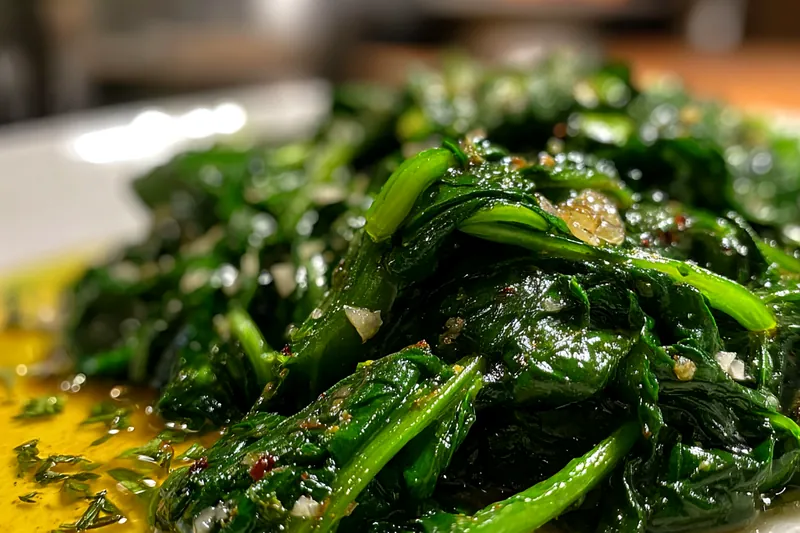
The cooking process for spinach sautéed with garlic and olive oil is straightforward and quick. Begin by heating the olive oil in a skillet over medium heat, allowing it to become fragrant. Add minced garlic and sauté until golden, ensuring not to burn it. Then, introduce the spinach, stirring frequently to incorporate the garlic and oil evenly.
Once the spinach has wilted, season it accordingly with salt, pepper, and red pepper flakes if desired. Finish the dish with a splash of lemon juice for brightness and, if you like, a sprinkle of Parmesan cheese. This final touch adds complexity and richness, enhancing the overall dish's flavor.
Key Technique
The key technique in this recipe is sautéing, which involves cooking food quickly in a small amount of oil over relatively high heat. This method allows the spinach to retain its nutrients, color, and texture while infusing it with the flavors of garlic and olive oil. Stirring frequently ensures even cooking and helps prevent burning, especially with the delicate garlic. Mastering this technique can elevate many dishes beyond simple preparation.
Spinach Sautéed with Garlic & Olive Oil
📋 Ingredients
Main Ingredients
- 1/2 teaspoon red pepper flakesadds heat and flavor
- 1 teaspoon lemon juicebrightens the dish
- Salt to tasteenhances overall flavor
- Black pepper to tasteadds warmth and depth
- 1 tablespoon balsamic vinegar (optional)adds sweetness and tang
Sauce/Seasoning
- 4 cups fresh spinach leaves, washed and driedthe main ingredient
- 4 tablespoons extra virgin olive oilfor sautéing
- 4 cloves garlic, mincedfor flavor
- 1 tablespoon grated Parmesan cheese (optional)for garnish
- 1/4 cup diced onions (optional)for sweetness
Instructions
Prepare the Ingredients
Start by washing the fresh spinach leaves thoroughly and drying them with a clean kitchen towel or salad spinner. Mince the garlic cloves and, if using, dice the onions. Gather all your ingredients so you can quickly add them to the pan while cooking.
Heat the Olive Oil
In a large skillet, heat the extra virgin olive oil over medium heat. Allow the oil to warm for a couple of minutes until it shimmers, but do not let it smoke. This temperature will help release the flavors from the garlic without burning it.
Sauté the Garlic
Add the minced garlic to the skillet and sauté for about 1-2 minutes until it becomes fragrant and slightly golden. Be cautious not to overcook the garlic, as it can turn bitter quickly. Stir continuously to ensure even cooking.
Add the Spinach
Once the garlic is aromatic, add the prepared spinach to the skillet. You may need to do this in batches if your skillet is small, as the spinach will wilt down significantly. Stir frequently to ensure that all the spinach is coated with the flavorful garlic oil.
Season the Spinach
After the spinach has wilted, which should take about 3-5 minutes, sprinkle in the red pepper flakes, salt, and black pepper to taste. If using diced onions, add them at this stage for added sweetness and depth of flavor. Stir well to mix all the seasonings evenly.
Finish with Lemon and Cheese
Remove the skillet from heat and drizzle the lemon juice over the sautéed spinach. If desired, sprinkle grated Parmesan cheese on top for a rich, savory finish. Toss everything together gently to combine the flavors.
Serve and Enjoy
Transfer the sautéed spinach to a serving dish, and if desired, drizzle with balsamic vinegar for extra acidity and depth of flavor. This dish can be served warm as a side or incorporated into other recipes. Enjoy your healthy, delicious spinach sauté!
Recipe Notes & Tips
Storage Tips
Store any leftover sautéed spinach in an airtight container in the refrigerator for up to 3 days. Ensure it cools completely before sealing to maintain its freshness. When reheating, do so gently to prevent overcooking. Always check for any signs of spoilage before consuming leftovers.
Serving Ideas
Sautéed spinach pairs beautifully with grilled meats, seafood, or pasta dishes. Consider serving it alongside a protein like chicken, salmon, or tofu for a balanced meal. It can also be incorporated into salads or grain bowls for added nutrition. For a brunch option, try it in an omelet or frittata.
Variations
Feel free to experiment with the seasonings and additional ingredients. You can add nuts, such as pine nuts or walnuts, for added crunch and nutrition. Consider incorporating other vegetables like bell peppers or mushrooms for variety. Changing the cheese to feta or goat cheese can also provide a different flavor profile. Customize it according to your personal preferences!