Roasted Seasonal Vegetables
Roasted Seasonal Vegetables are a delightful way to enjoy a variety of fresh produce, bringing together the vibrant flavors of the season. This dish highlights the natural sweetness and earthy notes of the vegetables, providing a healthy, colorful addition to any meal. Perfect for family gatherings, weekday dinners, or as a side for holiday feasts, this recipe is versatile and easy to prepare. The roasting method enhances the flavors while making the vegetables crispy on the outside and tender on the inside. It's a simple yet impressive dish that can appeal to both vegetarians and meat lovers alike.

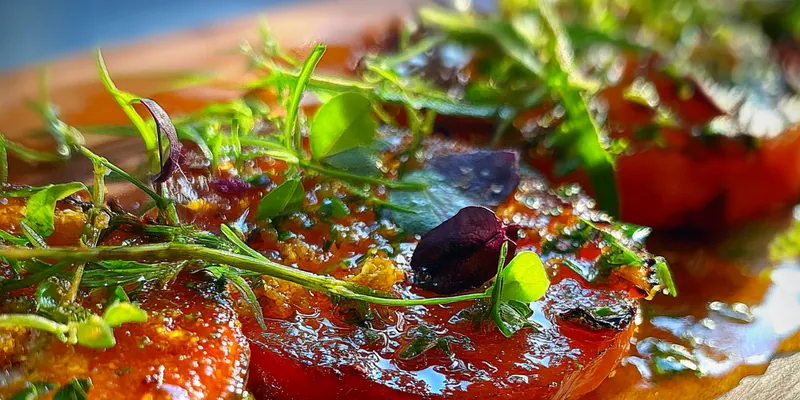
Why This Roasted Seasonal Vegetables Works
The technique of roasting vegetables brings out their natural sugars, resulting in a sweet and savory flavor combination that is irresistible. High heat helps to caramelize the outer layer, providing a crispy texture while keeping the inside soft and tender. This method is also incredibly versatile, allowing you to use any seasonal vegetables you have on hand. The combination of herbs and spices further enhances the flavor profile, making each bite an explosion of taste. Additionally, roasting is a healthier cooking method, reducing the need for excess oils and fats.
What makes this recipe special is its inherent simplicity and adaptability. You can easily swap in different vegetables based on what’s in season or what you prefer, ensuring that each preparation is unique. The vibrant colors of the roasted vegetables not only make for an appealing presentation but also signify a variety of nutrients beneficial to your health. Perfect for meal prep or as a last-minute side dish, these roasted seasonal vegetables can complement any main course. Whether served warm or at room temperature, they maintain their deliciousness, making them a crowd-pleaser.
💡 Professional Tip
For the best results, it's essential to use fresh, seasonal vegetables as they have the most flavor and nutrients. Don't be afraid to experiment with different herbs and spices; they can significantly alter the taste and elevate your dish. Adjust the cooking time based on the type of vegetables you choose; some may require longer roasting times. Lastly, let your roasted vegetables sit for a few minutes before serving to allow the flavors to meld together, enhancing the overall taste.
Frequently Asked Questions
Yes, you can prepare Roasted Seasonal Vegetables ahead of time. After roasting, let them cool completely and store them in an airtight container in the refrigerator for up to three days. When ready to serve, you can reheat them in the oven to restore their crispiness. This makes them a great option for meal prep or for entertaining guests, as you can save time on the day of serving by preparing them in advance.
You can substitute any of the vegetables in this recipe based on your preferences or seasonal availability. Instead of zucchini, try eggplant or asparagus; for bell peppers, consider using sweet potatoes or Brussels sprouts. Seasonal vegetables like squash in the fall or asparagus in the spring can also be delicious additions. Remember to adjust the cooking time based on the type of vegetables you choose to ensure they roast properly.
Roasted vegetables are done when they are tender and have developed a golden-brown color. You can check for doneness by piercing them with a fork; they should be easy to pierce but not mushy. Additionally, a nice caramelization on the edges indicates that they are perfectly roasted. If they look undercooked, you can give them a few more minutes in the oven, checking frequently to avoid overcooking.
Yes, you can freeze roasted seasonal vegetables, although some may lose their texture upon thawing. To freeze, allow them to cool completely, then place them in a freezer-safe bag or container. They can be stored in the freezer for up to three months. When ready to use, thaw them in the refrigerator overnight and reheat them in the oven or on a skillet for best results.
Roasted Seasonal Vegetables pair well with a variety of dishes. They make an excellent side dish for grilled meats, fish, or vegetarian proteins like tofu or chickpeas. You can also serve them atop salads or grain bowls for added color and nutrients. For a comforting meal, try pairing them with pasta or risotto. Their versatility allows them to complement a wide range of cuisines and flavors.
Roasted seasonal vegetables can be stored in the refrigerator for up to three days in an airtight container. For longer storage, consider freezing them, which can extend their shelf life to about three months. It's important to ensure they cool completely before refrigerating or freezing to maintain their texture and flavor. For the best taste, consume them within a week for refrigerator storage.
You can easily adjust the spice level of roasted seasonal vegetables to suit your taste. For a milder flavor, reduce the amount of garlic powder and omit any spicy seasonings. Conversely, for a kick, consider adding crushed red pepper flakes or a sprinkle of cayenne pepper. Experiment with fresh herbs like basil or cilantro for additional flavor without heat. Always taste as you go to achieve your desired spice level.
The best way to reheat roasted seasonal vegetables is in the oven to maintain their crispness. Preheat your oven to 350°F (175°C) and spread the vegetables on a baking sheet. Heat for about 10-15 minutes, until warmed through. Alternatively, you can reheat them in a skillet over medium heat, stirring occasionally, until hot. Microwaving can work, but it may lead to a soggier texture.
Recipe Troubleshooting Guide
Too Dry
Problem: If your roasted vegetables are too dry, it could be due to over-roasting or not using enough oil. Roasting vegetables at high temperatures can quickly dehydrate them if not monitored closely.
Solution: To prevent dry vegetables, ensure you coat them adequately with oil before roasting. You can also add a splash of vegetable broth or citrus juice during roasting to keep them moist. Keep an eye on cooking time, removing them from the oven once they are tender and golden.
Not Crispy
Problem: If your vegetables are not crispy, it may be due to overcrowding on the baking sheet or insufficient roasting time. When vegetables are too close together, they steam instead of roast.
Solution: To achieve that desired crispiness, ensure the vegetables are spread out in a single layer on the baking sheet. If necessary, roast them in batches. Additionally, increasing the roasting time slightly or turning up the oven temperature can help achieve a crispier finish.
Overcooked
Problem: Overcooked roasted vegetables can become mushy and lose their vibrant color. This often happens if they are left in the oven for too long or the cooking temperature is too high.
Prevention: To avoid overcooking, set a timer and check the vegetables periodically, especially towards the end of the cooking time. If you notice they are browning too quickly, lower the temperature slightly. If they have already been overcooked, consider using them in soups or smoothies where texture is less critical.
Undercooked
Problem: Undercooked vegetables can be hard and crunchy, which is often a result of not cutting them into uniform sizes or not cooking them long enough.
Recovery: Ensure that all vegetables are cut into similar sizes for even cooking. If they are still undercooked after the initial roasting time, simply return them to the oven and roast for an additional 5-10 minutes, checking frequently until they reach the desired tenderness.
Burnt
Problem: Burnt vegetables are typically the result of cooking at too high of a temperature or leaving them in the oven for too long.
Prevention: To prevent burning, always monitor the vegetables closely while roasting, especially during the last few minutes. You can also lower the oven temperature slightly if you notice they are browning too quickly. If they do burn, try to salvage the unburned parts and consider using that for a different dish.
Flavor Balance
Too Sweet: If your roasted vegetables taste overly sweet, it could be due to the natural sugars caramelizing too much during roasting.
Too Salty: If the vegetables are too salty, it may be because of excessive seasoning. Adjusting the salt used can help balance out the flavors.
Bland: If your roasted vegetables are bland, consider adding more seasoning before roasting or drizzling them with a flavored oil to enhance the taste.
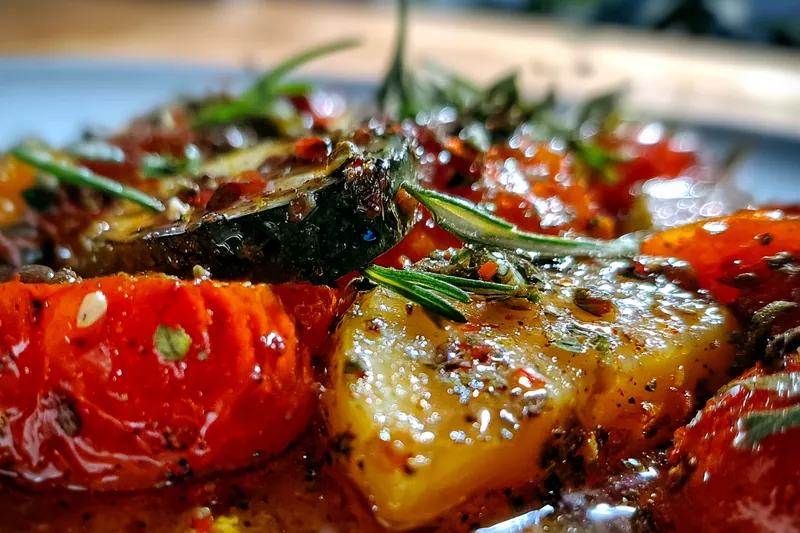
Key Ingredients
The main ingredients for this recipe include a variety of seasonal vegetables that not only provide vibrant colors but also a range of flavors and textures. Zucchini and bell peppers add sweetness, while red onions offer a mild tang. Carrots add a natural sweetness and crunch, and broccoli florets contribute a delightful earthiness. Cherry tomatoes burst with flavor, providing a juicy contrast to the other vegetables, making the dish visually appealing and nutritious.
Seasonings play a crucial role in elevating the flavors of roasted vegetables. Olive oil not only helps in roasting but also adds a rich, fruity flavor. Garlic powder brings depth and umami, while herbs like thyme and rosemary add aromatic notes. Salt and pepper are essential for enhancing the natural flavors of the vegetables. With the right balance of seasonings, you can transform simple vegetables into a gourmet dish that everyone will love.
Essential Ingredient Notes
- Main Ingredient: Zucchini is a great main ingredient for roasting because it retains moisture and has a mild flavor that absorbs seasonings well. It cooks relatively quickly, making it ideal for achieving a tender yet firm texture. Slice it evenly to ensure uniform cooking and prevent it from becoming mushy. Zucchini is also low in calories, making it a healthy choice for any meal.
- Second Key Ingredient: Bell peppers add a colorful crunch to your roasted vegetable medley. They come in various colors, each offering a slightly different flavor profile. Red peppers are the sweetest, while green peppers have a more pronounced bitterness. They roast beautifully, becoming tender and sweet, making them a favorite addition to many dishes. Their bright colors also enhance the visual appeal of the dish.
- Essential Seasoning: Olive oil is an essential ingredient for roasting vegetables, as it helps in achieving that coveted crispy texture while preventing them from drying out. Use high-quality extra virgin olive oil for the best flavor. Its healthy fats contribute to the overall nutritional value of the dish, making it a heart-healthy choice. Additionally, it helps in distributing the seasonings evenly, enhancing the overall taste.
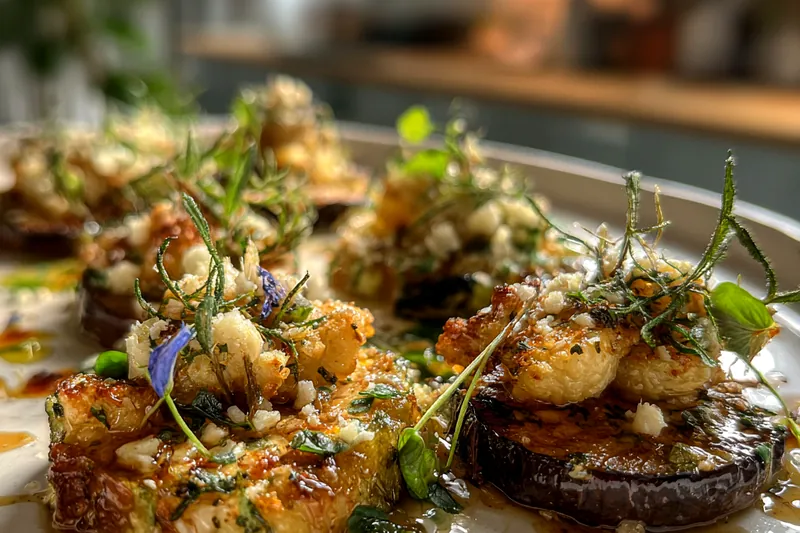
Cooking Process
The cooking process for Roasted Seasonal Vegetables is straightforward yet rewarding. Start by prepping your vegetables and tossing them with oil and seasonings. Preheating the oven is crucial to ensure even cooking, so make sure to set it to the right temperature before placing the vegetables in. Spreading them out on a baking sheet allows for proper airflow, promoting even roasting and caramelization.
As the vegetables roast, take the time to check on them halfway through the cooking time. This allows you to stir them for even browning and prevents any sticking. Once they are perfectly roasted, let them cool slightly before serving. Garnishing with fresh herbs adds a burst of color and freshness, making the dish even more appealing and flavorful.
Key Technique
The key technique in roasting vegetables is ensuring the right balance of heat and moisture. A hot oven is essential for caramelization, but it's equally important not to overcrowd the baking sheet. This allows the vegetables to roast rather than steam, which is crucial for achieving a crispy texture. Tossing the vegetables in oil and seasonings before roasting maximizes flavor absorption, enhancing the overall taste. Finally, letting them sit after roasting helps the flavors meld together, providing a delicious final dish.
Roasted Seasonal Vegetables
📋 Ingredients
Main Ingredients
- 4 tablespoons olive oilhelps in roasting and adds flavor
- 2 teaspoons garlic powderadds depth and umami
- 1 teaspoon dried thymefor aromatic notes
- 1 teaspoon dried rosemaryadds flavor complexity
- Salt and pepper to tasteenhances natural flavors
Sauce/Seasoning
- 2 cups zucchini, slicedadds moisture and mild flavor
- 2 cups bell peppers, choppedadds color and sweetness
- 1 cup red onion, slicedoffers a mild tang
- 2 cups carrots, choppedadds natural sweetness
- 2 cups broccoli floretsadds earthiness
- 1 cup cherry tomatoes, halvedprovides juicy bursts of flavor
Instructions
Preheat the Oven
Start by preheating your oven to 425°F (220°C). A hot oven ensures the vegetables roast properly, developing a beautiful caramelization that enhances their natural sweetness.
Prepare the Vegetables
Wash and chop all the vegetables into bite-sized pieces. Ensure that the pieces are roughly the same size for even cooking. This will help in achieving a consistent roast.
Season the Vegetables
In a large bowl, combine the chopped vegetables. Drizzle with olive oil and sprinkle the garlic powder, thyme, rosemary, salt, and pepper. Toss well to coat the vegetables evenly with the oil and seasonings.
Arrange on Baking Sheet
Spread the seasoned vegetables in a single layer on a large baking sheet. Make sure not to overcrowd them, as this can lead to steaming rather than roasting, which prevents proper browning.
Roast the Vegetables
Place the baking sheet in the preheated oven and roast for about 25-30 minutes. Halfway through, give the vegetables a good stir to ensure even cooking and browning.
Check for Doneness
The vegetables are done when they are tender and have a nice golden-brown exterior. You can test this by piercing them with a fork; they should be easy to pierce but not mushy.
Garnish and Serve
Once roasted, remove the vegetables from the oven. Garnish with fresh parsley before serving. This adds a pop of color and a fresh flavor that complements the roasted notes.
Enjoy Your Dish
Serve the roasted seasonal vegetables hot. They can be enjoyed as a main dish or as a side dish to complement your favorite proteins.
Recipe Notes & Tips
Storage Tips
To store roasted seasonal vegetables, make sure they are completely cooled before placing them in an airtight container. They can be kept in the refrigerator for up to three days. For longer storage, consider freezing them, which can extend their shelf life. When reheating, try to restore their crispness by using the oven.
Serving Ideas
Roasted seasonal vegetables can be served alongside grilled chicken or fish for a balanced meal. They also make a great topping for grain bowls or salads, adding both nutrition and flavor. For a hearty option, consider mixing them into pasta dishes or risottos. Their versatility allows them to complement many cuisines and styles of dishes.
Variations
Feel free to experiment with different vegetables or add a hint of spice by including chili flakes or smoked paprika. You can also incorporate root vegetables like sweet potatoes or parsnips for extra sweetness. For an Asian twist, try drizzling them with soy sauce or sesame oil before roasting. The possibilities are endless, making this dish adaptable to any palate.