Lemon Meringue Pie
Lemon Meringue Pie is a classic American dessert that combines a refreshing lemon filling with a light and airy meringue topping. Its bright citrus flavor makes it a perfect ending to any meal, especially in warmer months. This pie is beloved for its contrasting textures, with the creamy lemon filling complementing the fluffy meringue. Whether served at a holiday gathering or a casual family dinner, it's sure to impress with its beautiful appearance and delightful taste. Let's dive into this delicious recipe and create a showstopper dessert that will leave everyone wanting more.

Why This Lemon Meringue Pie Works
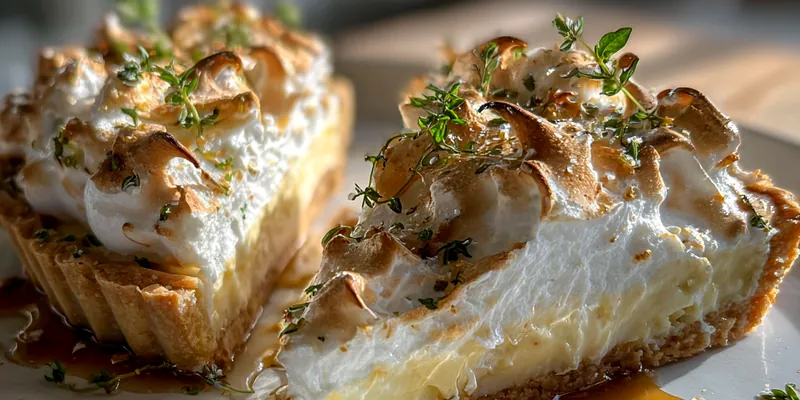
This Lemon Meringue Pie recipe works beautifully due to the careful balance of acidity and sweetness. The lemon filling is made with fresh lemon juice and zest, providing a bright, tangy flavor that complements the sweetness of the meringue. The science behind achieving a perfect meringue involves beating the egg whites to the right stiffness and incorporating sugar gradually for a glossy finish. The use of cornstarch in the filling helps create a silky smooth texture that sets perfectly without being too thick or runny.
What makes this pie special is its nostalgic charm combined with a modern twist. The crispy crust serves as a sturdy base for the luscious lemon filling, while the meringue adds a lightness that contrasts beautifully with the richness of the lemon. This dessert not only pleases the palate but also pleases the eye, making it a stunning centerpiece for any dessert table. Each slice offers a delightful mix of flavors and textures that has made Lemon Meringue Pie a beloved classic for generations.
💡 Professional Tip
For the best results, make sure your mixing bowl and beaters are completely clean and free from any grease before whipping the egg whites. This ensures that you achieve maximum volume and stability in your meringue. Additionally, when spreading the meringue, be sure to seal it to the edges of the pie to prevent shrinkage while it bakes. If you want to add a touch of flavor to your meringue, consider adding a splash of vanilla extract or almond extract.
Frequently Asked Questions
Yes, you can prepare the lemon filling and meringue ahead of time. However, it is best to assemble the pie and bake it on the day you plan to serve it to ensure the meringue stays fluffy and does not weep. If you are short on time, you can make the lemon filling a day in advance and store it covered in the refrigerator. Just be sure to let it come to room temperature before adding the meringue and baking.
If you want to substitute the sugar, you can use a sugar alternative that measures similarly, such as stevia or erythritol. For a gluten-free option, use a gluten-free pie crust or make your own crust using almond flour. If you don’t have fresh lemons, bottled lemon juice is a suitable alternative, though fresh juice will yield a brighter flavor. Egg replacements can also be used for a vegan version, using aquafaba for the meringue, but the texture may differ slightly.
The Lemon Meringue Pie is done when the meringue has turned a light golden brown and the filling is set. You can gently shake the pie; if the filling jiggles slightly but doesn't appear runny, it's ready. An instant-read thermometer can also be used; the filling should be around 160°F (71°C). Once baked, allow the pie to cool completely to let the filling firm up before slicing.
While you can freeze Lemon Meringue Pie, it's not recommended due to the meringue's texture after thawing. The meringue can become watery and lose its structure when frozen and reheated. However, you can freeze just the lemon filling in an airtight container for up to a month. When ready to use, thaw it in the refrigerator and prepare fresh meringue to top it just before serving.
Lemon Meringue Pie pairs wonderfully with a dollop of whipped cream or a scoop of vanilla ice cream for added creaminess. Fresh berries, like raspberries or strawberries, can also complement the tartness of the lemon. For a more elegant presentation, consider serving it with a citrus coulis or a sprinkle of powdered sugar. A cup of herbal tea or a refreshing lemonade can make the perfect beverage pairing for this delightful dessert.
Lemon Meringue Pie can be stored in the refrigerator for up to three days. Make sure to cover it loosely with plastic wrap to prevent the meringue from becoming sticky. Avoid leaving it at room temperature for extended periods, as it may affect the texture and freshness. If you have leftover filling, store it separately from the meringue to maintain the integrity of both components.
Lemon Meringue Pie doesn't typically require spices, but if you want to add a unique twist, consider incorporating a pinch of nutmeg or ginger into the lemon filling. This can add a warm depth of flavor that enhances the citrus. However, be cautious with the amounts, as the lemon flavor should still be the star of the show. Experimenting with zest from other citrus fruits can also provide a subtle spice without overpowering the lemon.
If you need to reheat Lemon Meringue Pie, the best method is to do so in a preheated oven at a low temperature, around 200°F (93°C). This allows the pie to warm through without cooking the meringue further. Cover the pie loosely with aluminum foil to prevent browning. Avoid using a microwave, as this can make the meringue soggy and less enjoyable.
Recipe Troubleshooting Guide
Too Dry
Problem: If the lemon filling turns out dry, it may be overcooked or too much cornstarch was used. This can prevent the filling from achieving that desirable creamy texture.
Solution: To remedy this, ensure you follow the cooking times closely and remove the filling from heat once it thickens. If you encounter a dry filling, consider adding a touch of water or lemon juice to moisten it before serving.
Not Crispy
Problem: A crust that is not crispy often results from underbaking or not pre-baking the crust properly. Moisture from the filling can also contribute to a soggy bottom.
Solution: To achieve a crispier crust, ensure it is fully baked before adding the filling. Consider blind baking the crust with pie weights to help it set and prevent moisture from making it soggy.
Overcooked
Problem: Overcooked meringue can become dry and grainy rather than light and fluffy. This often happens if it is baked too long or at too high a temperature.
Prevention: To avoid this, monitor the baking of the meringue closely and remove it from the oven as soon as it turns golden brown. If you find your meringue overcooked, it may still be edible but will lack the desired texture.
Undercooked
Problem: An undercooked filling will remain runny and not set properly, leading to a messy pie that doesn’t hold its shape.
Recovery: Ensure that you cook the filling until it reaches a proper thickening point and achieves a bubble. If the filling is still too runny after cooling, it can be returned briefly to the stove to thicken further.
Burnt
Problem: Burnt meringue can happen if the pie is left in the oven too long or if the oven temperature is too high. This results in an unpleasant bitter taste.
Prevention: To prevent burnt meringue, keep an eye on the pie while it’s baking and adjust the oven temperature if necessary. If it does burn, you can carefully scrape off the burnt parts and serve the remaining meringue if it's salvageable.
Flavor Balance
Too Sweet: If the pie is too sweet, it can overpower the refreshing lemon flavor that defines this dessert.
Too Salty: An overly salty filling may come from measurement errors in adding salt or using salted butter.
Bland: If the pie lacks flavor, it may need more lemon juice or zest to enhance its citrus profile.

Key Ingredients
The main ingredients of Lemon Meringue Pie include fresh lemons, egg yolks, and granulated sugar. The lemons provide the essential tangy flavor that defines the pie, while the egg yolks create a rich and creamy filling. Sugar balances the tartness of the lemon and adds sweetness to the overall dessert. The pie crust serves as a base, contributing to the pie's structure and texture, ensuring it holds the luscious filling.
For the meringue topping, egg whites and sugar are essential. The egg whites are whipped into a fluffy consistency that creates the light and airy texture of the meringue. Adding cream of tartar helps stabilize the meringue, ensuring it holds its shape during baking. The right amount of sugar in the meringue not only sweetens but also contributes to its glossy finish. These ingredients come together to create a harmonious balance in flavor and texture within the pie.
Essential Ingredient Notes
- Main Ingredient: Fresh lemons are crucial for a vibrant Lemon Meringue Pie. They provide the signature tartness and aroma that make this dessert irresistible. When selecting lemons, choose ones that are bright yellow and firm to the touch. The zest is just as important as the juice, adding an aromatic depth to the filling.
- Second Key Ingredient: Egg yolks are vital for creating a rich and luscious lemon filling. They contribute to the creamy texture and custard-like quality of the pie. Ensure you separate the yolks from the whites carefully, as even a small amount of yolk can prevent the meringue from whipping up properly. Using fresh eggs will yield the best flavor and texture.
- Essential Seasoning: Cream of tartar is an essential ingredient when making meringue. It helps stabilize the egg whites, allowing them to achieve maximum volume and stiffness. Without cream of tartar, the meringue may collapse or weep after baking. It’s a simple addition that makes a significant difference in the meringue's final texture.
Cooking Process
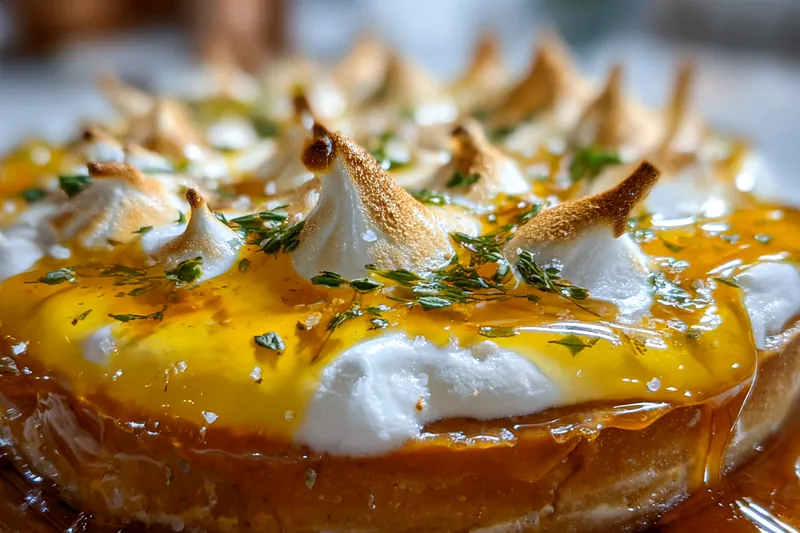
The cooking process for Lemon Meringue Pie begins with preparing the pie crust, ensuring it is baked to a golden brown before adding the lemon filling. The filling is cooked on the stovetop, requiring constant stirring to achieve a smooth and creamy texture. This step is crucial as it prevents lumps from forming and ensures the ingredients meld perfectly. Once the filling reaches the right consistency, it is poured into the crust, followed by the meringue topping.
After spreading the meringue over the filling, the pie is baked until the meringue is golden and fluffy. This step is essential for achieving that classic texture and flavor. Finally, cooling the pie at room temperature allows the filling to set, making it easier to slice. Patience is key, as cutting into a warm pie can result in a mess, but the wait is well worth it for the perfect presentation.
Key Technique
A key technique in making Lemon Meringue Pie is properly whipping the egg whites. Start with a clean bowl to avoid any grease, which can affect the meringue's volume. Beat the whites at medium speed until they become frothy before adding cream of tartar. Gradually add sugar, continuing to beat until you achieve stiff, glossy peaks. This technique ensures that your meringue will hold its shape beautifully, creating a stunning and delicious topping for your pie.
Lemon Meringue Pie
📋 Ingredients
Main Ingredients
- 2 tablespoons cornstarchthickens the lemon filling
- 1/4 teaspoon saltbalances sweetness
Sauce/Seasoning
- 1 pre-made pie crustfor the base
- 1 cup granulated sugarsweetens the filling
- 1 1/2 cups waterfor the filling
- 3 large egg yolks, beatenadds richness
- 1/4 cup fresh lemon juicekey flavor
- 1 tablespoon lemon zestenhances flavor
- 1 tablespoon butteradds richness
Instructions
Prepare the Pie Crust
Preheat your oven to 350°F (175°C). Place the pre-made pie crust in a 9-inch pie plate and prick the bottom with a fork to prevent bubbling. Bake for 10-12 minutes or until lightly golden. Remove from oven and set aside to cool.
Make the Lemon Filling
In a medium saucepan, whisk together 1 cup of sugar, cornstarch, and salt. Gradually add water while continuously whisking to avoid lumps. Cook over medium heat until the mixture thickens and starts to boil, stirring constantly.
Add Egg Yolks and Flavor
Once the mixture is boiling, take a small amount of the hot mixture and slowly whisk it into the beaten egg yolks to temper them. Then, add the egg yolk mixture back into the saucepan, followed by the lemon juice, lemon zest, and butter. Stir continuously until the mixture is thickened and well combined.
Fill the Pie Crust
Pour the lemon filling into the prepared pie crust, spreading it evenly. Set aside to cool slightly while you prepare the meringue.
Prepare the Meringue
In a clean bowl, beat the egg whites on medium speed until foamy. Add cream of tartar and continue to beat until soft peaks form. Gradually add 1/2 cup sugar, beating until glossy stiff peaks form.
Top the Pie with Meringue
Spread the meringue over the lemon filling, making sure to seal the edges to prevent shrinking. Use a spatula to create peaks and swirls on the surface.
Bake the Pie
Bake the pie in the preheated oven for about 10-12 minutes, or until the meringue is golden brown. Keep a close eye to avoid burning.
Cool and Serve
Remove from the oven and cool at room temperature for at least 1 hour before slicing. This allows the filling to set further and makes slicing easier.
Recipe Notes & Tips
Storage Tips
Store any leftover Lemon Meringue Pie in the refrigerator, loosely covered with plastic wrap. It can last for up to three days, but the meringue is best enjoyed fresh. To prevent the meringue from becoming sticky, avoid storing it in airtight containers. If you have leftover filling, store it separately from the meringue to maintain texture.
Serving Ideas
Serve Lemon Meringue Pie chilled for the best flavor. Pair it with a dollop of whipped cream or a scoop of vanilla ice cream for an extra treat. Fresh fruit like berries also enhances the dessert's presentation and flavor. A sprinkle of lemon zest on top can add a decorative touch.
Variations
Consider experimenting with different citrus fruits for a unique twist on this classic pie. Lime or orange can be used in place of lemon for a different flavor profile. For a more tropical version, try adding coconut to the filling or topping. Adjust the sugar based on the sweetness of the fruit used to maintain balance.