Corn on the Cob with Butter
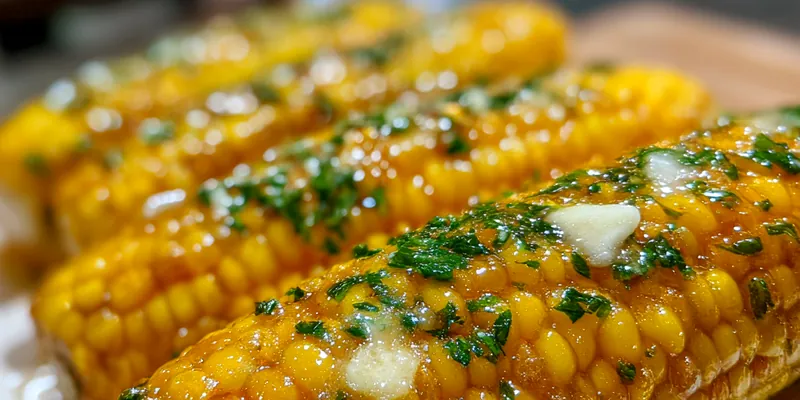
Corn on the Cob with Butter is a classic summer dish that captures the essence of outdoor barbecues and family gatherings. Its simple preparation allows the natural sweetness of fresh corn to shine, enhanced by creamy, flavorful butter. Whether served as a side dish or a main feature, this recipe is perfect for any occasion. The combination of butter and seasonings creates a delightful flavor profile that everyone will love. Enjoy it as a nostalgic childhood favorite or a new tradition at your table.

Why This Corn on the Cob with Butter Works
This recipe for Corn on the Cob with Butter relies on a simple yet effective technique that enhances the natural sweetness of the corn. By boiling the corn quickly, we retain its moisture and delicate flavor, making every bite a burst of sweetness. The addition of butter, combined with seasonings, elevates the dish to another level, making it irresistible. The process is straightforward, allowing anyone to recreate this beloved dish.
What makes this Corn on the Cob special is not just its flavor but the memories that come with it. It's a dish often enjoyed during summer barbecues, family picnics, and holiday gatherings. The aroma of fresh corn wafting through the air brings people together, creating an inviting atmosphere. This recipe pays homage to traditional methods while adding a modern twist with optional ingredients, ensuring everyone finds a version they love.
💡 Professional Tip
For the best results, always choose fresh corn with a vibrant green husk and plump, moist kernels. The corn should feel heavy for its size, indicating freshness and sweetness. Boiling time is critical; overcooking can lead to mushy corn. If you're unsure about doneness, taste a kernel to check for tenderness without losing the crunch.
Frequently Asked Questions
Yes, you can prepare the corn ahead of time, but it's best to cook it fresh for the best flavor and texture. If you need to prepare it in advance, cook the corn and store it in the refrigerator. When ready to serve, reheat it by steaming or briefly microwaving. However, be cautious not to overcook it again, as this can make it tough.
If you want to switch things up, consider using flavored butters such as garlic herb or chili lime butter for a unique twist. You can also opt for olive oil instead of butter for a lighter option. For those avoiding dairy, dairy-free butter or margarine works well. Additionally, sprinkling with different herbs and spices can enhance the flavor profile to suit your taste.
The corn is done cooking when the kernels are tender yet still crisp. You can test this by piercing a kernel with a fork; it should yield easily but not be mushy. The color of the kernels will also brighten to a vibrant yellow, indicating ripeness. Typically, boiling for about 8-10 minutes is sufficient, but always check for your preferred tenderness.
Yes, you can freeze corn on the cob, but it's best to do so after blanching it first. To freeze, boil the corn for 4-5 minutes, cool in ice water, and then place it in airtight freezer bags. Label the bags with the date and use them within 6-12 months for the best quality. When ready to eat, thaw and reheat or cook directly from frozen.
Corn on the Cob pairs beautifully with grilled meats like burgers, chicken, or steak. It also works well alongside fresh salads, coleslaw, or potato dishes, providing a refreshing contrast. For a complete meal, consider serving it with baked beans or a light pasta salad. The versatility of corn allows it to complement a wide variety of summer dishes.
Cooked corn on the cob can be stored in the refrigerator for up to 3-5 days. Ensure it is kept in an airtight container or wrapped tightly to maintain freshness. If you have leftover butter mixture, it can be stored separately in the fridge for about a week. To extend its shelf life, consider freezing any uneaten corn for later use.
Absolutely! If you enjoy a bit of heat, you can add cayenne pepper or red pepper flakes to your butter mixture. For a milder flavor, omit the black pepper or use paprika for a subtle warmth. Experimenting with different herbs, such as cilantro or dill, can also add a unique flavor without increasing the spice level.
The best way to reheat corn on the cob is to steam it or microwave it briefly. If using a microwave, wrap the corn in a damp paper towel to retain moisture and heat in short intervals. Alternatively, you can place it in a pot of boiling water for a few minutes until warmed through. Be careful not to overheat, as this can dry it out.
Recipe Troubleshooting Guide
Too Dry
Problem: If your corn turns out too dry, it may have been overcooked or not enough butter was used.
Solution: To remedy this, try adding more butter after cooking. Alternatively, consider steaming the corn instead of boiling to retain moisture.
Not Crispy
Problem: Corn that isn't crispy may have been boiled too long or stored improperly.
Solution: To ensure a crisp texture, avoid overcooking and serve immediately after cooking. Fresh corn harvested at the peak of sweetness will also yield a better crunch.
Overcooked
Problem: Overcooked corn becomes mushy and loses its natural sweetness.
Prevention: To prevent this, adhere to the cooking time and frequently check for tenderness. If you overcook, serve with a flavorful sauce or dressing to enhance the dish.
Undercooked
Problem: Undercooked corn will have a tough texture and lack flavor.
Recovery: If this happens, return the corn to boiling water for a few more minutes. Taste to ensure it reaches the desired tenderness.
Burnt
Problem: Burnt corn usually results from cooking it over an open flame or grill without monitoring.
Prevention: If this occurs, cut away the burnt parts and serve the rest, or mask the burnt flavor with additional spices or sauces.
Flavor Balance
Too Sweet: If the corn is too sweet, it may overpower other flavors.
Too Salty: To balance excessive saltiness, consider adding a squeeze of lemon juice.
Bland: For bland corn, enhance it with fresh herbs, spices, or flavored butter.
Key Ingredients
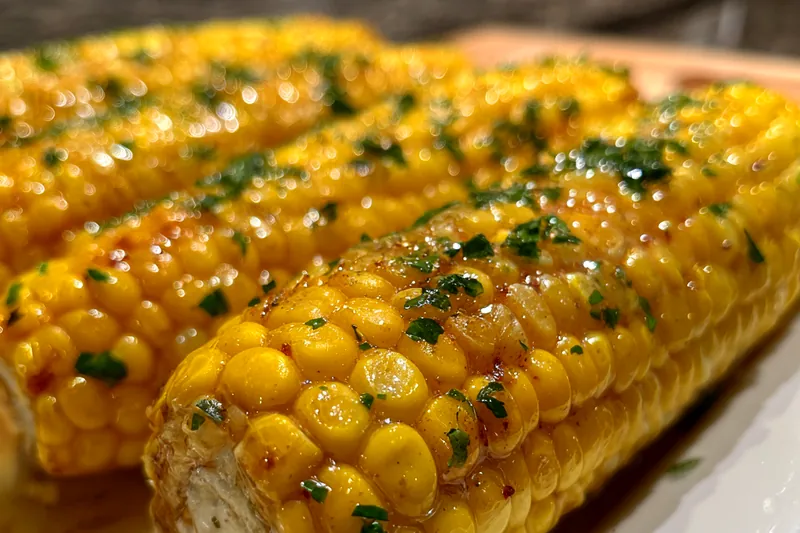
The main star of this dish is, of course, the fresh corn on the cob. Opt for sweet varieties that are harvested at peak ripeness to ensure every bite is bursting with flavor. The corn should have bright, plump kernels and a green husk. Freshness is key, as older corn loses its sweetness and texture. This recipe shines when using the best quality corn.
Butter is the next essential ingredient, adding richness and moisture to the dish. Unsalted butter allows you to control the saltiness, while the addition of spices can elevate the flavor profile. Fresh herbs like parsley not only enhance the taste but also add a pop of color. Optional ingredients, such as lime juice and Parmesan cheese, can provide a unique twist that caters to different palates.
Essential Ingredient Notes
- Main Ingredient: Fresh corn is vital for this recipe. Look for ears that feel heavy and have tightly wrapped husks. The kernels should be plump and slightly moist. If you can, taste a kernel for sweetness before purchasing.
- Second Key Ingredient: Butter should be softened for easy spreading. If you're using salted butter, reduce the added salt in the recipe to prevent overpowering the corn's natural flavor. For a healthier twist, consider using olive oil.
- Essential Seasoning: Seasonings like salt and pepper are essential to enhance the corn's natural flavor. Fresh herbs like parsley or cilantro can add brightness. For a bit of zest, lime juice is a wonderful addition that complements the sweetness of the corn.
Cooking Process
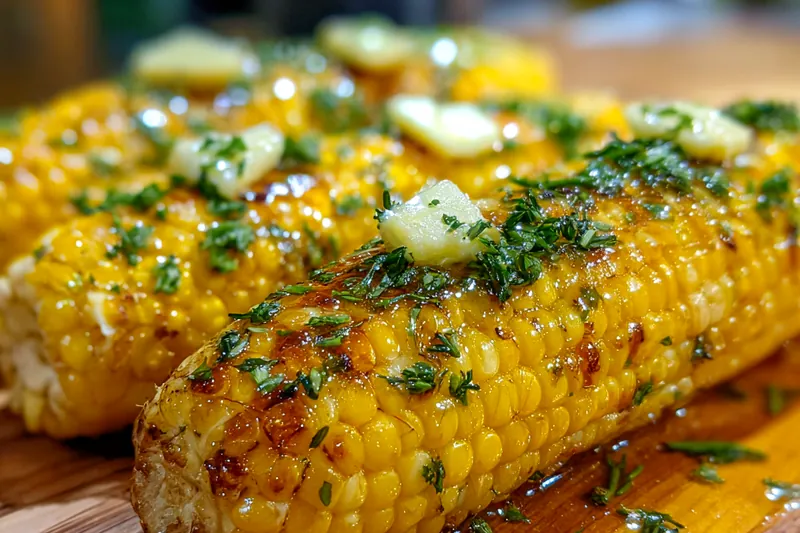
Cooking corn on the cob is a straightforward process that allows the sweet flavors to shine. Start by boiling the corn in salted water, which helps enhance its natural sweetness. The boiling should be quick to maintain the corn's crunch and bright color. Timing is crucial; 8-10 minutes will yield tender, sweet corn without losing its characteristic crispness.
After cooking, the butter mixture is applied while the corn is still hot, allowing it to melt and soak into the kernels. This step is vital for achieving that rich, buttery flavor. For a personal touch, consider adding additional toppings like cheese or spices based on your preference. Serve immediately for the best taste experience.
Key Technique
The key technique in making perfect Corn on the Cob with Butter is timing and temperature control during the cooking process. Boiling the corn quickly helps lock in moisture and flavor, preventing it from becoming tough. The use of fresh ingredients, particularly the corn and butter, significantly impacts the dish’s overall success. Experimenting with different seasonings can also lead to delightful variations.
Corn on the Cob with Butter
📋 Ingredients
Main Ingredients
- 1/2 cup unsalted butter, softenedfor flavor
- 1/2 teaspoon saltto taste
- 1/4 teaspoon black pepperfor seasoning
- 1/4 teaspoon garlic powderto enhance flavor
Sauce/Seasoning
- 4 ears of fresh corn on the cobthe star of the dish
- 1 tablespoon fresh parsley, choppedfor garnish
- 1 tablespoon grated Parmesan cheese (optional)for additional flavor
- 1 teaspoon lime juice (optional)to add zest
Instructions
Prepare the Corn
Start by shucking the corn. Remove the husks and silk from each ear of corn. Rinse them under cold water to remove any remaining silk, then set aside.
Boil Water
In a large pot, fill with water and bring it to a rolling boil. Make sure there is enough water to cover the corn completely. You can add a pinch of salt to the water for extra flavor.
Cook the Corn
Once the water is boiling, carefully add the ears of corn to the pot. Cover and cook for 8-10 minutes until the corn is tender. Avoid overcooking to maintain the corn's sweetness.
Prepare the Butter Mixture
While the corn is cooking, mix the softened butter with salt, black pepper, garlic powder, and parsley in a small bowl. If desired, add lime juice and Parmesan cheese for an extra flavor boost.
Drain the Corn
Once the corn is cooked, use tongs to carefully remove the ears from the pot. Let them drain in a colander for a minute to get rid of excess water.
Apply Butter
While the corn is still hot, generously spread the butter mixture over each ear of corn. Ensure that the butter melts into the kernels for maximum flavor.
Serve and Enjoy
Serve the corn on a platter, optionally sprinkling more parsley or Parmesan on top. Enjoy this delicious dish while it’s hot for the best taste.
Optional Sweetness
If you prefer a sweeter taste, sprinkle a little sugar over the buttered corn before serving. This enhances the natural sweetness of the corn.
Recipe Notes & Tips
Storage Tips
To maximize the lifespan of your corn on the cob, store it in the refrigerator in an airtight container. Consuming it within a few days is recommended to enjoy the best flavor and texture. If you have leftovers, consider freezing them after cooking for longer storage.
Serving Ideas
Corn on the Cob with Butter makes an excellent side dish for summer barbecues, picnics, or family dinners. Pair it with grilled meats, fresh salads, or creamy coleslaw for a balanced meal. You can also serve it as a standalone snack with a sprinkle of lime and chili for an added kick.
Variations
Experimenting with this recipe can lead to exciting variations. Try adding different herbs, such as cilantro or dill, to the butter for a unique flavor. For a spicy twist, incorporate hot sauce or chili powder. You can also try roasting the corn on the grill for a smoky taste that pairs beautifully with butter.