Classic Homemade Margherita Pizza
Classic Homemade Margherita Pizza is a timeless dish that embodies the essence of Italian cuisine. With its simple yet vibrant flavors, this pizza is a celebration of fresh ingredients: ripe tomatoes, creamy mozzarella, and fragrant basil. Originating from Naples, it has become a beloved favorite worldwide, perfect for sharing with family and friends. Whether for a casual dinner or a special occasion, this pizza promises to delight every palate. What sets it apart is its authenticity and the ease with which it can be made at home, promising restaurant-quality results in your own kitchen.

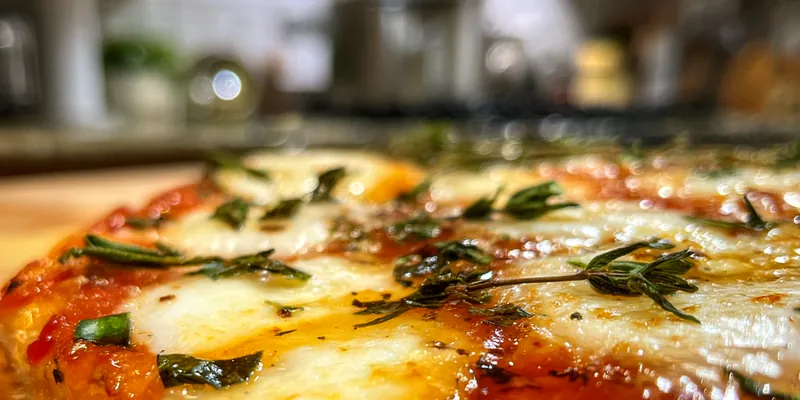
Why This Classic Homemade Margherita Pizza Works
The success of Classic Homemade Margherita Pizza lies in its simple yet effective technique. The dough is made from just a few basic ingredients, allowing the natural flavors to shine. Kneading the dough properly develops gluten, which gives the crust its chewy texture. Additionally, using high-quality ingredients, particularly San Marzano tomatoes and fresh mozzarella, elevates the flavor profile. The balance of these elements results in a pizza that not only tastes delicious but also has an appealing texture.
What makes this pizza truly special is its authenticity. Unlike many variations, the Classic Margherita stays true to its roots, reflecting the culinary traditions of Naples. The use of fresh basil not only adds flavor but also provides a visual appeal with its vibrant green color. This pizza is not just a meal; it’s a culinary experience that transports you to Italy. Each bite is a reminder of the importance of quality ingredients and traditional methods.
💡 Professional Tip
For the best results, always use fresh ingredients, especially the tomatoes and mozzarella. San Marzano tomatoes are known for their sweetness and low acidity, making them ideal for pizza sauce. When stretching the dough, be gentle to maintain air bubbles, which contribute to a light and airy crust. Preheating the oven and the pizza stone ensures that the crust cooks evenly and achieves that desired crispiness. Don't rush the baking process; patience leads to a better pizza.
Frequently Asked Questions
Yes, you can prepare the dough and sauce ahead of time. The dough can be made a day in advance and stored in the refrigerator, allowing for a slower fermentation that enhances its flavor. Just be sure to let it come to room temperature before shaping. The sauce can also be made ahead and refrigerated for up to a week. This makes it easy to enjoy fresh pizza with minimal effort on the day you plan to serve it.
If you can't find San Marzano tomatoes, any high-quality canned tomatoes will work as a substitute. For the cheese, if fresh mozzarella is unavailable, you can use low-moisture mozzarella, but the flavor will differ slightly. For a gluten-free option, you can use a gluten-free pizza crust mix instead of traditional flour. Feel free to experiment with different herbs like oregano or thyme if you want to add a twist to the traditional flavor profile.
Your pizza is done when the crust is golden brown and the cheese is bubbling with slight browning. The edges should be crispy but not burnt. If you’re unsure, use a food thermometer; the internal temperature should reach around 200°F (93°C). Keep an eye on it during the last few minutes of baking to catch it at the perfect moment. Remember, each oven varies, so adjustments may be necessary based on your equipment.
Yes, you can freeze the unbaked pizza. Assemble the pizza without baking it, then wrap it tightly in plastic wrap and aluminum foil. It can be stored for up to 2 months in the freezer. When you’re ready to bake it, there’s no need to thaw; just bake directly from the freezer, adding a few extra minutes of cooking time. However, note that the crust might be slightly different in texture when reheated from frozen.
This pizza pairs wonderfully with a simple side salad, perhaps with arugula, cherry tomatoes, and a light vinaigrette. For a more Italian feel, you could serve it with antipasti like olives, cured meats, or bruschetta. A classic Italian dessert like tiramisu or panna cotta would round out the meal perfectly. For beverages, consider a light red wine or sparkling water to complement the flavors of the pizza.
Leftover pizza can be stored in the refrigerator for up to 3 days. Make sure to wrap it in foil or place it in an airtight container to maintain freshness. If you want to keep it longer, consider freezing the leftovers. In the freezer, it can last up to 2 months without losing much quality. Just reheat in the oven for the best results when you're ready to enjoy it again.
To adjust the spice level of your Classic Homemade Margherita Pizza, consider adding red pepper flakes to the sauce or sprinkling them atop the pizza before baking. Alternatively, you can incorporate spicy Italian sausage or hot salami as a topping. If you prefer a milder flavor, simply stick to the classic ingredients without any additional spice. Balancing flavors is key, so taste as you go for the best results.
The best way to reheat leftover pizza is in the oven. Preheat your oven to 375°F (190°C), place the pizza on a baking sheet or directly on the oven rack, and heat for about 10-15 minutes or until warmed through. You can also use a skillet on the stovetop, covering it with a lid to retain moisture while crisping up the bottom. Avoid microwaving, as it can make the crust chewy rather than crispy.
Recipe Troubleshooting Guide
Too Dry
Problem: If your pizza crust turns out too dry, it may be due to overbaking or not enough moisture in the dough.
Solution: To avoid this, always keep an eye on the baking time and start checking a few minutes early. Ensure that you’re using the correct flour-to-water ratio in your dough. Adding a bit more olive oil can also help retain moisture in the crust.
Not Crispy
Problem: A soggy pizza crust can occur when there’s too much sauce or toppings that release moisture during baking.
Solution: To ensure a crispy crust, be mindful of the amount of sauce you use and consider pre-baking the crust for a few minutes before adding toppings. Also, using a pizza stone can help absorb moisture and create a crispy base.
Overcooked
Problem: If your pizza is overcooked, the crust may become hard and the cheese overly browned.
Prevention: To prevent this, monitor your pizza closely during the last few minutes of baking. You can also use an oven thermometer to ensure accurate temperatures and adjust your baking time accordingly.
Undercooked
Problem: An undercooked pizza may have a doughy texture and the cheese may not be fully melted.
Recovery: If this happens, return the pizza to the oven for a few more minutes. Ensure that your oven is adequately preheated, and consider adjusting the temperature or cooking time for future pizzas.
Burnt
Problem: Burnt pizza can occur if the oven temperature is too high or if the pizza is left in for too long.
Prevention: To avoid burning, always check your pizza a few minutes before the recommended cooking time. Lowering the oven temperature slightly can also help if you notice excessive browning.
Flavor Balance
Too Sweet: If your pizza tastes too sweet, it may be due to the tomatoes used or an excess of sugar in the sauce.
Too Salty: A salty flavor can arise from too much cheese or added salt in the sauce. Adjust accordingly next time to achieve a balanced flavor.
Bland: If the pizza is bland, consider adding more seasoning to the sauce or topping it with fresh herbs after baking for an added flavor boost.
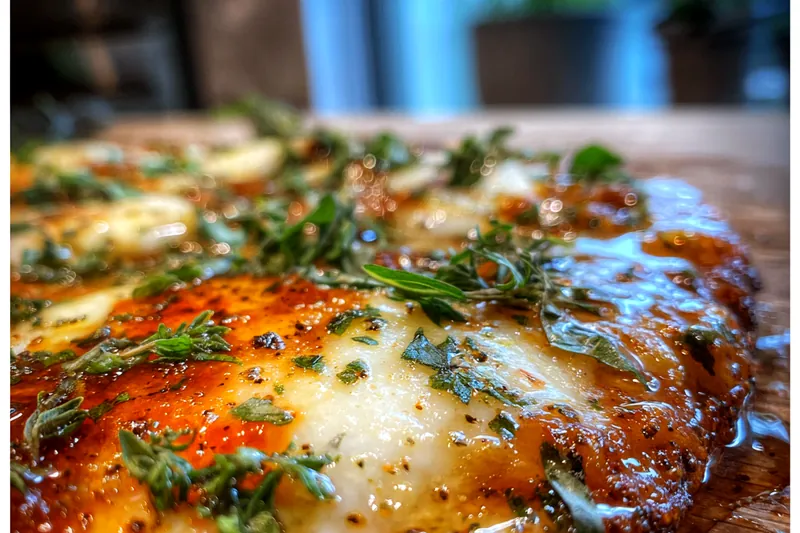
Key Ingredients
The key ingredients for Classic Homemade Margherita Pizza are simple yet essential. Using high-quality all-purpose flour is crucial for creating a dough with the right texture. San Marzano tomatoes are preferred for their rich flavor, making the sauce the heart of the pizza. Fresh mozzarella offers creaminess and melts beautifully, while basil adds freshness and a pop of color. Together, these ingredients create the classic flavors that make this pizza a favorite around the world.
Seasonings play a vital role in enhancing the flavors of the pizza. A pinch of salt in the dough helps to develop flavor and strength, while freshly ground black pepper adds depth to the sauce. Olive oil is not only used in the dough but also drizzled on top to enhance the flavor profile and provide a glossy finish. Each seasoning complements the fresh ingredients, ensuring a well-balanced and delicious pizza.
Essential Ingredient Notes
- Main Ingredient: The main ingredient for any pizza is, of course, the dough. Using high-quality flour is essential for achieving the right texture in your crust. Kneading the dough properly will also ensure it rises and develops a chewy texture. Always allow the dough to rest, as this contributes to better flavor and easier shaping.
- Second Key Ingredient: Tomatoes are crucial for the sauce, and San Marzano tomatoes are considered the best for pizza. Their sweetness and low acidity create a rich sauce that pairs perfectly with cheese and basil. When using canned tomatoes, ensure they are of high quality for the best results. Always taste the sauce and adjust seasoning as needed before spreading it on the dough.
- Essential Seasoning: Fresh basil is an essential seasoning for Classic Homemade Margherita Pizza. It not only adds flavor but also enhances the visual appeal of the dish. Adding the basil before or after baking can give different flavor profiles; add it before for a milder taste and fresh after for a stronger aroma. Always use fresh basil for the best results, as dried herbs cannot replicate the same flavor.
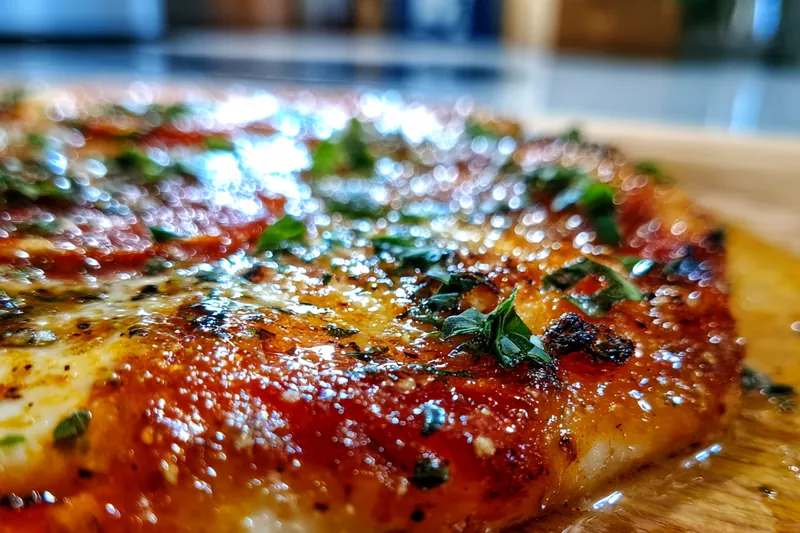
Cooking Process
The cooking process for Classic Homemade Margherita Pizza is straightforward and rewarding. After preparing and shaping your dough, the key is to preheat your oven and pizza stone to ensure a crispy crust. Spread the sauce evenly and be generous with the fresh mozzarella, taking care not to overload it to avoid a soggy base. Baking at a high temperature helps to achieve that perfect combination of a bubbly cheese topping and a golden crust.
Once the pizza is baked, allow it to cool slightly before slicing. This resting period helps the cheese set a bit, making it easier to cut. Garnish with extra fresh basil and a drizzle of olive oil for added flavor. Serve immediately for the best taste experience, and enjoy the delightful combination of fresh ingredients that make this pizza a classic.
Key Technique
The key technique in making a great Margherita pizza lies in the dough preparation and baking method. Proper kneading and allowing the dough to rise are crucial for achieving a light and airy crust. Additionally, using a pizza stone preheated in the oven mimics the high heat of a traditional pizza oven, resulting in a crispy bottom. Finally, the timing of adding fresh basil can significantly impact the flavor; adding it post-bake enhances its aromatic qualities. Master these techniques for a pizza that impresses every time.
Classic Homemade Margherita Pizza
📋 Ingredients
Main Ingredients
- 1 cup canned San Marzano tomatoes, crushedfor a rich sauce
- Salt to tasteto enhance flavors
- Freshly ground black pepperfor added depth
Sauce/Seasoning
- 2 cups all-purpose flourfor the dough
- 1 teaspoon saltto strengthen the dough
- 1/2 teaspoon sugarto activate yeast
- 1 teaspoon active dry yeastto help the dough rise
- 3/4 cup warm waterto hydrate the dough
- 1 tablespoon olive oilfor flavor and texture
- 8 ounces fresh mozzarella cheese, slicedfor creamy texture
- Fresh basil leavesfor freshness and aroma
Instructions
Make the Dough
In a large bowl, combine flour, salt, sugar, and yeast. Gradually add warm water while mixing to form a dough. Knead on a floured surface for about 5 minutes until smooth.
Let the Dough Rise
Place the kneaded dough in a lightly oiled bowl, cover with a damp cloth, and let it rise for about 1 hour or until it doubles in size.
Prepare the Sauce
While the dough is rising, mix the crushed San Marzano tomatoes with a pinch of salt and freshly ground black pepper. Set aside to let the flavors meld.
Preheat the Oven
Preheat your oven to its highest setting, typically around 475°F (245°C), and place a pizza stone or baking sheet inside to heat.
Shape the Dough
Once the dough has risen, punch it down and transfer it to a floured surface. Roll or stretch it into a round shape, about 12 inches in diameter.
Assemble the Pizza
Transfer the dough to a pizza peel or baking sheet. Spread the tomato sauce evenly over the dough, leaving a small border around the edges. Arrange sliced mozzarella on top.
Add Fresh Basil
Tear fresh basil leaves and scatter them over the cheese for added flavor. Drizzle a bit of extra virgin olive oil on top.
Bake the Pizza
Carefully slide the pizza onto the preheated pizza stone or baking sheet. Bake for 10-15 minutes or until the crust is golden and the cheese is bubbling.
Slice and Serve
Remove the pizza from the oven and let it cool slightly. Slice into wedges and serve immediately, garnished with more fresh basil if desired.
Recipe Notes & Tips
Storage Tips
To store leftover pizza, wrap it in foil or place it in an airtight container. It can be kept in the refrigerator for up to 3 days. If you want to keep it longer, store it in the freezer for up to 2 months. Reheat in the oven for the best texture and flavor.
Serving Ideas
Serve your Classic Homemade Margherita Pizza with a light side salad or antipasto platter. Pair it with a refreshing drink, such as Italian soda or a glass of red wine. For dessert, consider a classic Italian treat like gelato to round out the meal. Sharing it with friends and family makes it even more enjoyable.
Variations
Feel free to customize your Margherita pizza with toppings like sliced olives, arugula, or even a drizzle of balsamic glaze. Adding different cheeses, such as goat cheese or feta, can provide a unique twist on the classic recipe. For a spicy kick, consider adding pepperoni or crushed red pepper flakes. Making it your own allows you to enjoy this classic dish in new ways.