Classic Beef Lasagna
Classic Beef Lasagna is a timeless dish that brings together layers of tender pasta, rich beef, creamy cheese, and savory marinara. Originating from Italy, this hearty meal is cherished around the world for its comforting flavors and satisfying texture. Whether it's a family gathering or a cozy dinner for two, this dish is always a crowd-pleaser. The balance of flavors and textures makes it a standout among pasta dishes, and it's perfect for anyone looking to enjoy a taste of homemade goodness.

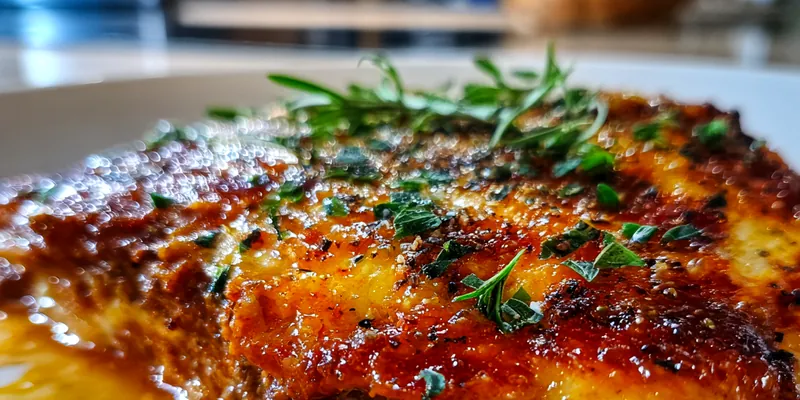
Why This Classic Beef Lasagna Works
This lasagna recipe stands out due to its careful layering and the balance of flavors. By browning the beef and adding fresh garlic, you create a rich base that enhances the overall taste. The combination of ricotta, mozzarella, and Parmesan cheeses provides a creamy texture that melts beautifully in the oven. Additionally, using high-quality marinara sauce elevates the dish, ensuring each bite is packed with flavor. The technique of baking it covered, then uncovered, allows the cheese to develop a golden crust while keeping the pasta tender.
What makes this Classic Beef Lasagna truly special is the harmony of its ingredients. Each layer is thoughtfully combined to create a dish that is not only filling but also satisfies varying palates. The herbs and seasonings bring out the best in the beef and cheese, making it an irresistible choice for any dinner. It's a classic comfort food that resonates with both young and old alike, making it a go-to for family meals or gatherings with friends. The ease of preparation alongside the rich flavors makes this recipe a winner.
💡 Professional Tip
For the best results, consider using a mix of cheeses for added depth of flavor. Adding a pinch of red pepper flakes to the meat sauce can elevate the dish by introducing a subtle heat that complements the richness of the cheese. Additionally, letting the lasagna sit after baking helps the layers set, making it easier to serve. If you want to get creative, try adding vegetables like spinach or mushrooms for a nutritious twist. Finally, don't skimp on the quality of your marinara sauce; a good sauce can make all the difference.
Frequently Asked Questions
Yes, Classic Beef Lasagna can be made ahead of time. You can prepare the lasagna up to the baking stage and then cover it tightly with plastic wrap or aluminum foil. Store it in the refrigerator for up to 24 hours before baking. This is a great option for busy weeknights or entertaining guests, as it allows you to prepare the meal in advance. If you choose to freeze it, ensure it's wrapped well to prevent freezer burn.
If you're looking for substitutions, ground turkey or chicken can be used instead of beef for a lighter option. For a vegetarian version, consider using roasted vegetables or lentils in place of meat. You can swap ricotta cheese for cottage cheese, which offers a similar texture but slightly less fat. Additionally, gluten-free lasagna noodles are available for those with gluten sensitivities, allowing everyone to enjoy this classic dish. Always feel free to experiment with different herbs and spices to suit your taste.
To determine if your lasagna is done, look for bubbling around the edges and a golden-brown cheese topping. Insert a knife into the center; it should meet little resistance and feel hot to the touch. If you have a food thermometer, the internal temperature should reach at least 165°F (74°C). Allowing the lasagna to cool for about 10 minutes before serving will also help the layers set, making it easier to cut and serve. This resting period also enhances the flavors as they settle.
Absolutely! Classic Beef Lasagna freezes very well. To freeze, allow the lasagna to cool completely after baking, then wrap it tightly in plastic wrap followed by aluminum foil. It can be stored in the freezer for up to three months. When you're ready to enjoy it, thaw it overnight in the refrigerator and then reheat it in the oven until heated through. This makes it a convenient option for meal prepping or having a quick dinner available after a long day.
Classic Beef Lasagna pairs wonderfully with a fresh green salad dressed in a light vinaigrette. Garlic bread or breadsticks are also excellent choices to complement the meal and soak up the delicious sauce. For a heartier side, consider serving steamed vegetables like broccoli or green beans. A nice glass of red wine can elevate the dining experience, providing a perfect balance to the richness of the lasagna. Don't forget dessert; a light tiramisu or panna cotta would round off the meal beautifully.
Leftover Classic Beef Lasagna can be stored in the refrigerator for up to five days. Make sure to cover it tightly with plastic wrap or aluminum foil to maintain its freshness. If you want to keep it longer, freezing is a great option, allowing you to enjoy it for up to three months. When reheating, always ensure it reaches an internal temperature of 165°F (74°C) for safe consumption. Labeling your leftovers with the date can help keep track of freshness.
If you prefer a spicier lasagna, you can easily adjust the spice level. Adding crushed red pepper flakes to the beef mixture or using a spicy marinara sauce can enhance the heat. If you're preparing for kids or those who prefer milder flavors, you can simply omit these spicy additions. Additionally, incorporating fresh herbs like basil or oregano can provide flavor without the heat. Experimenting with different spice levels allows you to tailor the dish to your family's preferences.
The best way to reheat Classic Beef Lasagna is in the oven. Preheat your oven to 350°F (175°C) and place the lasagna in an oven-safe dish, covering it with foil to retain moisture. Heat for about 20-30 minutes, or until it's heated through. You can also use the microwave for a quicker option, but be sure to cover it to prevent it from drying out. Reheating in the oven, however, keeps the cheese nice and melty while maintaining the texture of the noodles.
Recipe Troubleshooting Guide
Too Dry
Problem: If your lasagna turns out too dry, it could be due to overbaking or insufficient sauce. Dry noodles or a lack of moisture in the meat mixture can also contribute to this issue.
Solution: To fix a dry lasagna, add extra marinara sauce before baking or cover it with foil during the first half of the baking time. Additionally, ensure you’re using enough cheese and a well-seasoned meat mixture for added moisture. If preparing ahead, consider adding a layer of sauce in between layers to maintain moisture.
Not Crispy
Problem: A lasagna that isn’t crispy may be due to being covered too long while baking or having too much sauce.
Solution: To achieve that desired crispiness, remove the foil during the last 10-15 minutes of baking to allow the cheese to brown. Make sure you’re not over-saucing the layers as well; the right balance is key to a crispy top.
Overcooked
Problem: Overcooked lasagna can become mushy and unappetizing, likely due to excessive baking time or high oven temperature.
Prevention: To avoid overcooking, follow the recommended baking times closely and consider checking the internal temperature. If your lasagna is already overcooked, try serving it with a sauce on the side to add moisture and enhance flavor.
Undercooked
Problem: Undercooked lasagna may result from insufficient baking time or the noodles not being fully cooked before layering.
Recovery: To address undercooked lasagna, return it to the oven for additional baking. If you suspect the noodles are the problem, consider pre-cooking them slightly before layering. Ensure that your oven is properly calibrated for accurate cooking times.
Burnt
Problem: Burnt lasagna typically occurs when the oven temperature is too high or it’s left in the oven for too long.
Prevention: If the edges of your lasagna are burnt, you can trim them off before serving. For future attempts, lower the oven temperature slightly and ensure you’re watching it closely during the last few minutes of baking.
Flavor Balance
Too Sweet: If your lasagna tastes too sweet, it might be due to the marinara sauce or added sugar.
Too Salty: A salty taste can result from over-seasoning the beef or using a salty cheese. Adjust by balancing it with acidity or adding sweetness.
Bland: A bland lasagna may need more seasoning or herbs to enhance its flavor profile. Be sure to taste as you prepare and adjust accordingly.
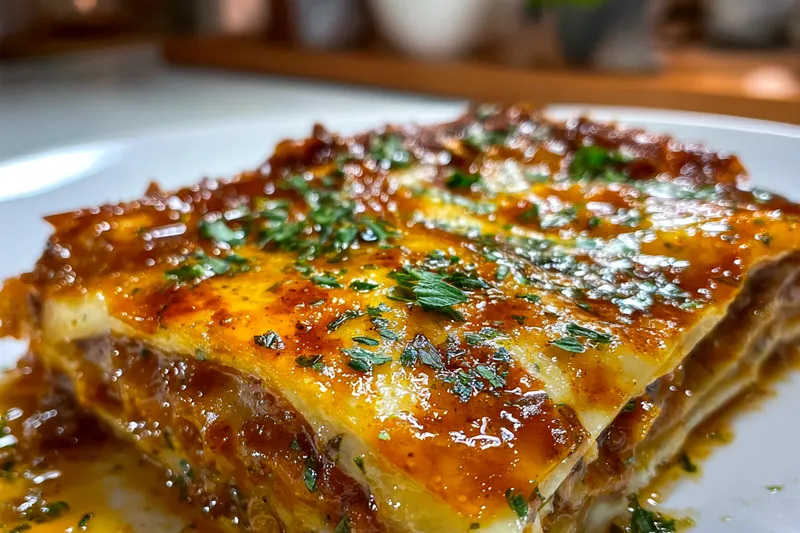
Key Ingredients
The main ingredients in Classic Beef Lasagna are ground beef, lasagna noodles, and a variety of cheeses. The ground beef provides a hearty protein base, while the noodles create the essential layers. Ricotta cheese contributes creaminess, mozzarella offers meltiness, and Parmesan adds a sharp flavor. Each of these components plays a crucial role in delivering that classic lasagna experience, ensuring that every bite is satisfying and rich.
Seasonings are equally important in enhancing the overall flavor of the dish. Garlic and Italian seasoning infuse the meat with aromatic qualities, while salt and pepper balance the flavors. Marinara sauce acts as both a moisture component and a flavor enhancer. Opting for a high-quality sauce can elevate your lasagna, making it taste homemade and delicious. Fresh herbs can also be added for a burst of freshness.
Essential Ingredient Notes
- Main Ingredient: Ground beef is the star of this lasagna, providing a rich, savory flavor that complements the cheeses and sauce. When selecting beef, opt for lean ground beef to reduce excess fat while maintaining flavor. Browning the beef properly adds depth and richness to the dish. Make sure to drain any excess fat for a balanced final product that isn’t greasy.
- Second Key Ingredient: Ricotta cheese is essential for that creamy texture that lasagna is known for. Mixing it with an egg helps bind everything together, ensuring it holds its shape during baking. Using whole milk ricotta will give the best flavor and texture. If you prefer, you can add fresh herbs or spinach to the ricotta for an added nutritional boost and flavor.
- Essential Seasoning: Italian seasoning is a blend of herbs that typically includes oregano, basil, thyme, and rosemary. This combination elevates the flavor profile of the beef and cheese, creating a well-rounded taste. You can customize the blend to your liking, perhaps adding crushed red pepper flakes for heat or fresh parsley for brightness. A well-seasoned lasagna ensures each layer is bursting with flavor.
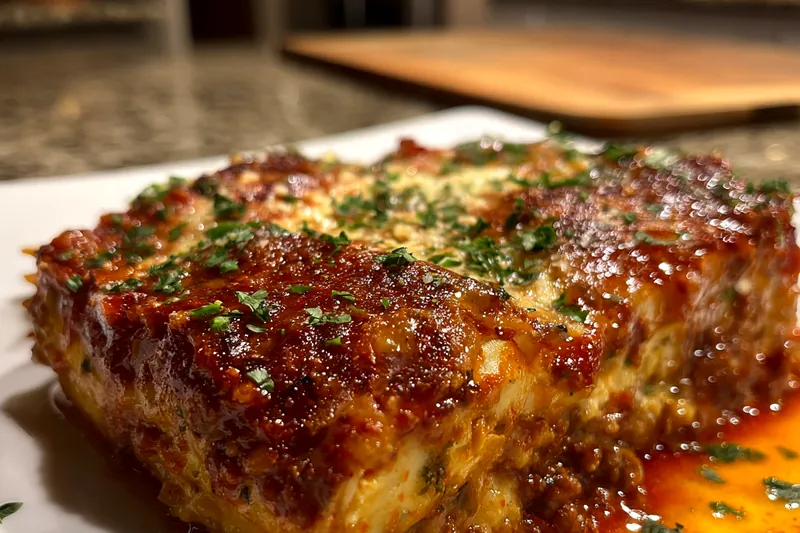
Cooking Process
The cooking process for Classic Beef Lasagna begins with preparing the beef, browning it in a skillet to develop rich flavors. While the beef cooks, you can prepare the cheese mixture and boil the lasagna noodles until al dente. Each component should be ready to layer as soon as the noodles are cooked, ensuring efficiency and maintaining the temperature of the ingredients. This organized approach helps streamline the assembly process, making it enjoyable and less stressful.
After layering the ingredients, the lasagna is baked in the oven, allowing the flavors to meld and the cheese to melt beautifully. The final touches include uncovering the lasagna during the last few minutes of baking to achieve a golden and crispy cheese topping. Once out of the oven, letting it rest is crucial to allow the layers to set, making for easier slicing. This attention to the cooking process ensures a fantastic presentation and a delicious meal.
Key Technique
The key technique in making a successful Classic Beef Lasagna lies in the layering process. Each layer should have a balanced amount of meat, cheese, and sauce to prevent dryness and ensure flavor in every bite. Properly assembling the layers creates a harmonious blend of textures, making each slice appealing. Additionally, baking with foil initially helps retain moisture, while removing it towards the end promotes a crispy cheese crust. Mastering this technique sets the foundation for a perfect lasagna every time.
Classic Beef Lasagna
📋 Ingredients
Main Ingredients
- 3 cups marinara sauceUse homemade or store-bought
Sauce/Seasoning
- 1 pound ground beefUse lean ground beef for less fat
- 9 lasagna noodlesCook until al dente
- 2 cups ricotta cheeseFor creamy texture
- 2 cups shredded mozzarella cheeseMelted for gooey goodness
- 1 cup grated Parmesan cheeseAdds sharp flavor
- 1 eggBinds the cheese mixture
Instructions
Cook the Beef
In a large skillet, heat olive oil over medium heat. Add the ground beef and cook until browned, breaking it up with a spatula. Stir in minced garlic and Italian seasoning, cooking for an additional 2 minutes.
Prepare the Cheese Mixture
In a bowl, combine ricotta cheese, egg, half of the Parmesan cheese, and a pinch of salt and pepper. Mix well until smooth and creamy.
Cook the Lasagna Noodles
In a large pot of boiling water, cook the lasagna noodles according to package instructions until al dente. Drain and set aside, ensuring they don't stick together.
Layer the Ingredients
Spread a thin layer of marinara sauce on the bottom of a 9x13 inch baking dish. Place three lasagna noodles over the sauce, then layer half of the beef mixture and half of the ricotta mixture.
Add More Layers
Repeat the layering process: noodles, marinara sauce, remaining beef mixture, and remaining ricotta mixture. Top with the last three noodles and pour the remaining marinara sauce over the top.
Add Cheese Topping
Sprinkle the remaining mozzarella and Parmesan cheese evenly over the top layer. Cover the dish with aluminum foil.
Bake
Preheat the oven to 375°F (190°C). Bake covered for 25 minutes. Remove the foil and bake for an additional 10-15 minutes, or until the cheese is bubbly and golden.
Cool and Serve
Once baked, allow the lasagna to cool for 10 minutes before slicing. Serve warm, garnished with fresh basil if desired.
Recipe Notes & Tips
Storage Tips
Store any leftovers in an airtight container in the refrigerator for up to five days. For longer storage, freeze lasagna portions in individual containers. When reheating, add a splash of marinara sauce for moisture if needed. Always ensure that reheated lasagna is heated through to 165°F (74°C).
Serving Ideas
Serve Classic Beef Lasagna with a crisp green salad and garlic bread for a complete meal. A light dessert, such as sorbet or fruit salad, can complement the richness of the lasagna. Pair it with a glass of red wine to enhance the flavors. For families, serving with a side of steamed vegetables can round out the nutrition.
Variations
To make a vegetarian version, substitute the ground beef with sautéed mushrooms or lentils. For a lighter option, use turkey or chicken instead of beef. You can also add layers of vegetables such as spinach or zucchini for added nutrition. Experimenting with different cheeses, like feta or goat cheese, can provide unique flavor profiles, making the lasagna adaptable for different tastes.